
Why is knitting good for you?
Knitting is often seen as a relaxing pastime or a creative hobby, but research and expert insights increasingly show that it offers a wide range of health and well-being benefits. From reducing stress to supporting brain health and encouraging social connection, knitting is a simple activity with surprisingly powerful effects on both the mind and body.
A Natural Stress Reliever
One of the strongest benefits of knitting is its ability to reduce stress and anxiety. The repetitive, rhythmic movements of the hands can help calm the nervous system, slow breathing, and lower the heart rate. Many experts compare knitting to mindfulness or meditation because it encourages focus on the present moment and helps quiet racing thoughts. This can be especially helpful for people dealing with anxiety, tension, or everyday stress.
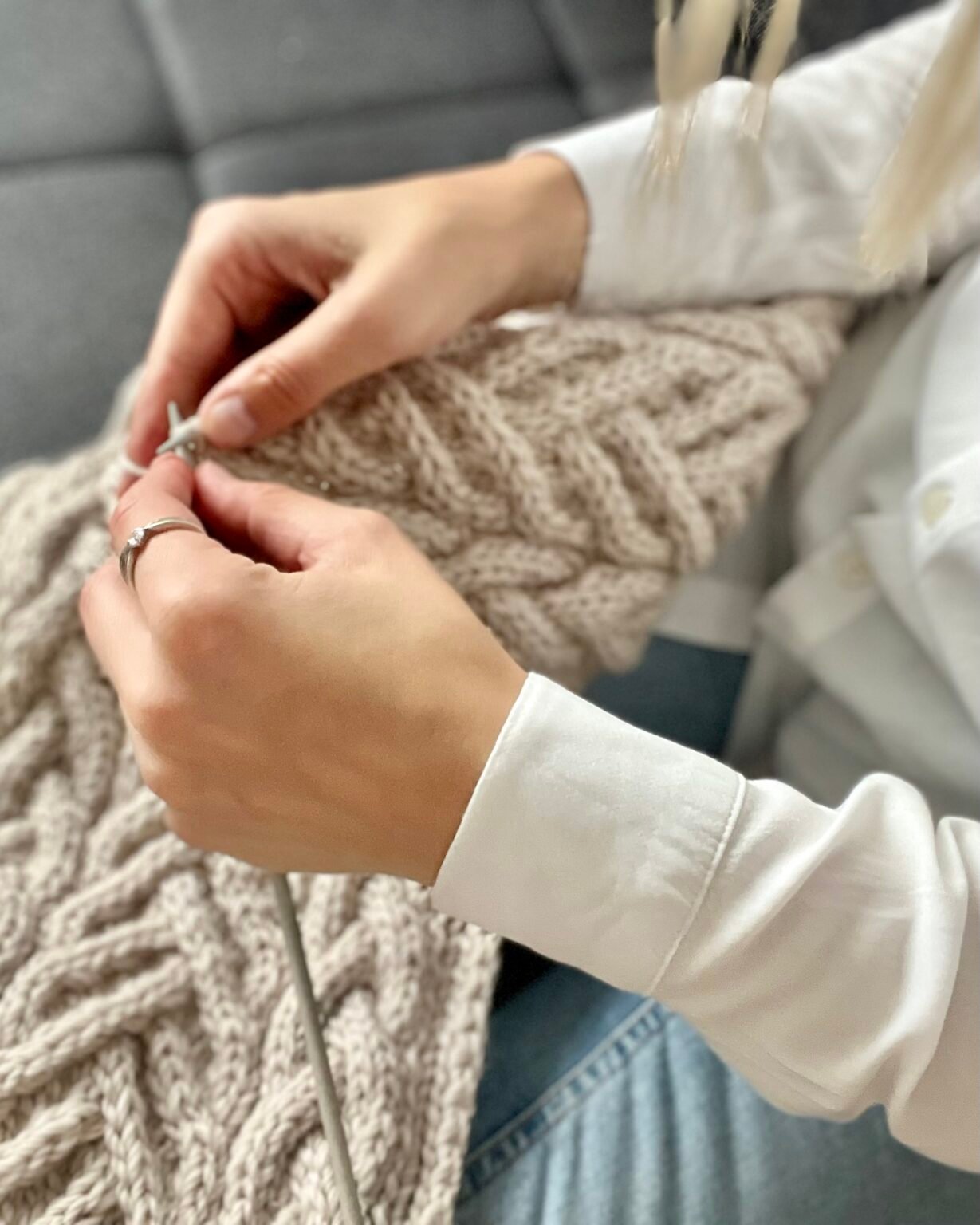
Knitting Supports Mental Health and Emotional Wellbeing
Knitting has been shown to improve mood and promote emotional balance. Engaging in a creative activity can stimulate the release of “feel-good” chemicals in the brain, such as serotonin and dopamine. Completing a project—no matter how small—can bring a strong sense of accomplishment and boost self-esteem. For some people, knitting also provides structure and routine, which can be comforting during difficult or uncertain periods of life.
Knitting is often a shared activity. Knitting groups, clubs, and online communities provide opportunities for social interaction, conversation, and mutual support. These connections can help reduce feelings of isolation and loneliness, especially for older adults or those living alone. Sharing a hobby can strengthen relationships and create a sense of belonging.
Encourages Mindfulness and Focus
Because knitting requires attention to patterns, stitches, and counting, it naturally encourages concentration. This focused engagement helps people step away from worries, screens, and distractions. Many knitters describe entering a calm, absorbed state where time seems to pass quickly—often referred to as a “flow state.” This mindful immersion can help reduce rumination and improve overall mental clarity.
In a world dominated by screens, knitting offers a restorative break from digital overload. It encourages hands-on engagement and can be done while listening to music, podcasts, or conversation, making it a healthier and more grounding way to unwind.
Knitting Boosts Brain Health and Cognitive Function
Knitting actively engages the brain by combining problem-solving, memory, and fine motor coordination. Following patterns, correcting mistakes, and planning projects all help keep the brain active. Some research suggests that mentally stimulating activities like knitting may support cognitive health and potentially reduce the risk of age-related cognitive decline. It can also help improve focus, attention span, and mental agility.
Knitting allows people to express themselves creatively through color choices, patterns, and designs. Creative expression has been linked to improved emotional well-being and stress reduction. Making something by hand, especially something useful or meaningful, can be deeply satisfying and empowering.
Improves Fine Motor Skills and Hand Dexterity
The small, precise movements involved in knitting strengthen fine motor skills and hand-eye coordination. Regular knitting can help maintain finger flexibility and dexterity, which is particularly beneficial as people age or recover from hand or joint issues. These movements may also help keep hands active and reduce stiffness when practiced comfortably and with good posture.
Knitting can also be highly beneficial for children, particularly in the development of fine motor skills. The coordinated movements required to hold needles, guide yarn, and form stitches help strengthen the small muscles in the hands and fingers. These skills are essential for everyday tasks such as writing, buttoning clothes, using scissors, and tying shoelaces.